


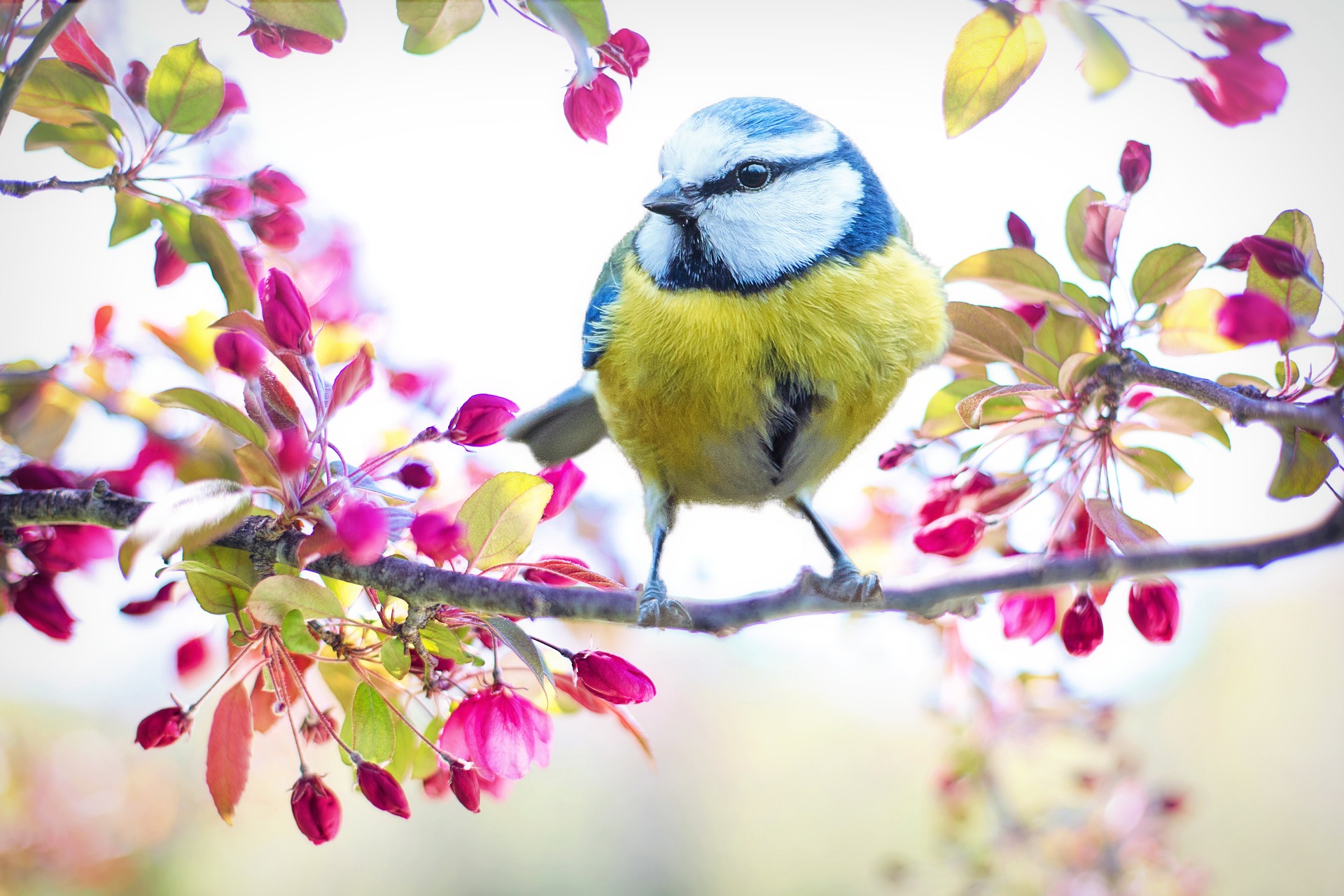
Exploring the Intricate World of Bird Communities
Birds, with their vibrant plumage and melodious songs, have always fascinated humans. But beyond their aesthetic appeal, these creatures form complex communities that are both intriguing and essential to our ecosystem. In this article, we delve deep into the intricate world of bird communities, exploring their social structures, communication methods, and ecological significance.
Understanding Bird Communities: An Introduction
Bird communities, also known as avian communities, refer to groups of bird species living in a specific area and interacting with one another. These communities can vary in size, from a handful of species in a small forest patch to diverse assemblies in vast wetlands or tropical rainforests. Understanding the dynamics of these communities provides valuable insights into the overall health of an ecosystem.
Avian Social Structures: Flocks, Pairs, and Solitary Species
Birds exhibit diverse social structures. Some species form large flocks, offering safety in numbers and cooperative hunting opportunities. Others prefer solitary lifestyles, while certain birds mate for life, displaying strong pair bonds.
Bird Communication: Songs, Calls, and Body Language
Communication is key in bird communities. Birds use a variety of vocalizations, including songs and calls, to convey messages related to territory, mating, and danger. Additionally, body language, such as courtship displays and aggressive postures, plays a crucial role in avian communication.
Migration Patterns: The Wonders of Avian Navigation
Birds undertake remarkable migrations, traveling thousands of miles to find suitable breeding or wintering grounds. Their ability to navigate across continents using celestial cues, magnetic fields, and geographical landmarks is a testament to their extraordinary instincts.
Ecological Importance: Birds as Ecosystem Engineers
Birds contribute significantly to ecosystems as pollinators, seed dispersers, and pest controllers. They help maintain the balance of plant and animal populations, supporting biodiversity and ecological stability.
Human Impact on Bird Communities: Conservation Challenges
Human activities such as habitat destruction, pollution, and climate change pose severe threats to bird communities worldwide. Conservation efforts are essential to protect these avian habitats and ensure the survival of numerous bird species.
Adaptations and Specializations: Surviving in Diverse Habitats
Birds have evolved a myriad of adaptations to thrive in various environments, from deserts to polar regions. Specialized beaks, plumage, and behaviors enable them to exploit specific niches, showcasing the wonders of natural selection.
Birdwatching: A Thriving Hobby and Citizen Science Activity
Birdwatching, or birding, is a popular hobby enjoyed by millions worldwide. Beyond recreation, birdwatchers contribute valuable data to scientific research, aiding ornithologists in understanding bird populations and behaviors.
Endangered Bird Species: Urgency in Conservation Efforts
Several bird species face the risk of extinction due to habitat loss and other anthropogenic factors. Urgent conservation measures, such as captive breeding programs and habitat restoration, are crucial to saving these endangered avian species.
The Role of Birds in Pest Control: Nature’s Natural Predators
Birds, especially raptors and insectivores, play a vital role in controlling pest populations. They help farmers by preying on insects, rodents, and other crop-damaging pests, reducing the need for chemical pesticides.
Cultural Significance: Birds in Folklore, Mythology, and Art
Throughout history, birds have held cultural significance in various societies. They appear in folklore, mythology, and art, symbolizing freedom, wisdom, and spirituality. Their presence in human culture highlights the deep connection between humans and birds.
The Future of Bird Communities: Adapting to Climate Change
Climate change poses significant challenges to bird communities. Rising temperatures, changing precipitation patterns, and altered habitats impact their food sources and breeding grounds. Conservation efforts must address these climate-related challenges to safeguard avian diversity.
Case Studies: Remarkable Bird Communities Around the Globe
Examining specific bird communities worldwide provides valuable insights into their behaviors, adaptations, and interactions with the environment. Case studies offer a closer look at the incredible diversity of avian life.
Promoting Bird-Friendly Environments: Tips for Individuals and Communities
Creating bird-friendly spaces in urban and rural areas is essential. Planting native trees, providing bird feeders and nest boxes, and reducing the use of pesticides contribute to fostering bird habitats. Communities can work together to conserve local bird populations.
Conclusion: Celebrating the Beauty and Complexity of Bird Communities
Bird communities are intricate, diverse, and vital components of our natural world. Their behaviors, social structures, and ecological roles continue to amaze scientists and enthusiasts alike. By appreciating and conserving these avian wonders, we ensure a harmonious coexistence with nature.
FAQs About Bird Communities
Q: Why are bird communities important for ecosystems?
A: Bird communities contribute to ecosystem balance by pollinating plants, dispersing seeds, and controlling pest populations, supporting biodiversity.
Q: How can individuals help conserve bird communities?
A: Individuals can create bird-friendly environments, participate in citizen science projects, and support conservation organizations to help protect bird habitats.
Q: What are some remarkable bird migration routes?
A: Notable bird migration routes include the Arctic tern’s journey from the Arctic to Antarctica and the Monarch butterfly’s migration across North America.
Q: Which bird species are known for their elaborate courtship displays?
A: Birds like the peacock, bowerbirds, and birds of paradise are renowned for their intricate and colorful courtship displays to attract mates.
Q: How do birds adapt to extreme environments like deserts and polar regions?
A: Birds in extreme environments have specialized physiological and behavioral adaptations, such as efficient water conservation and thick insulation for warmth.