


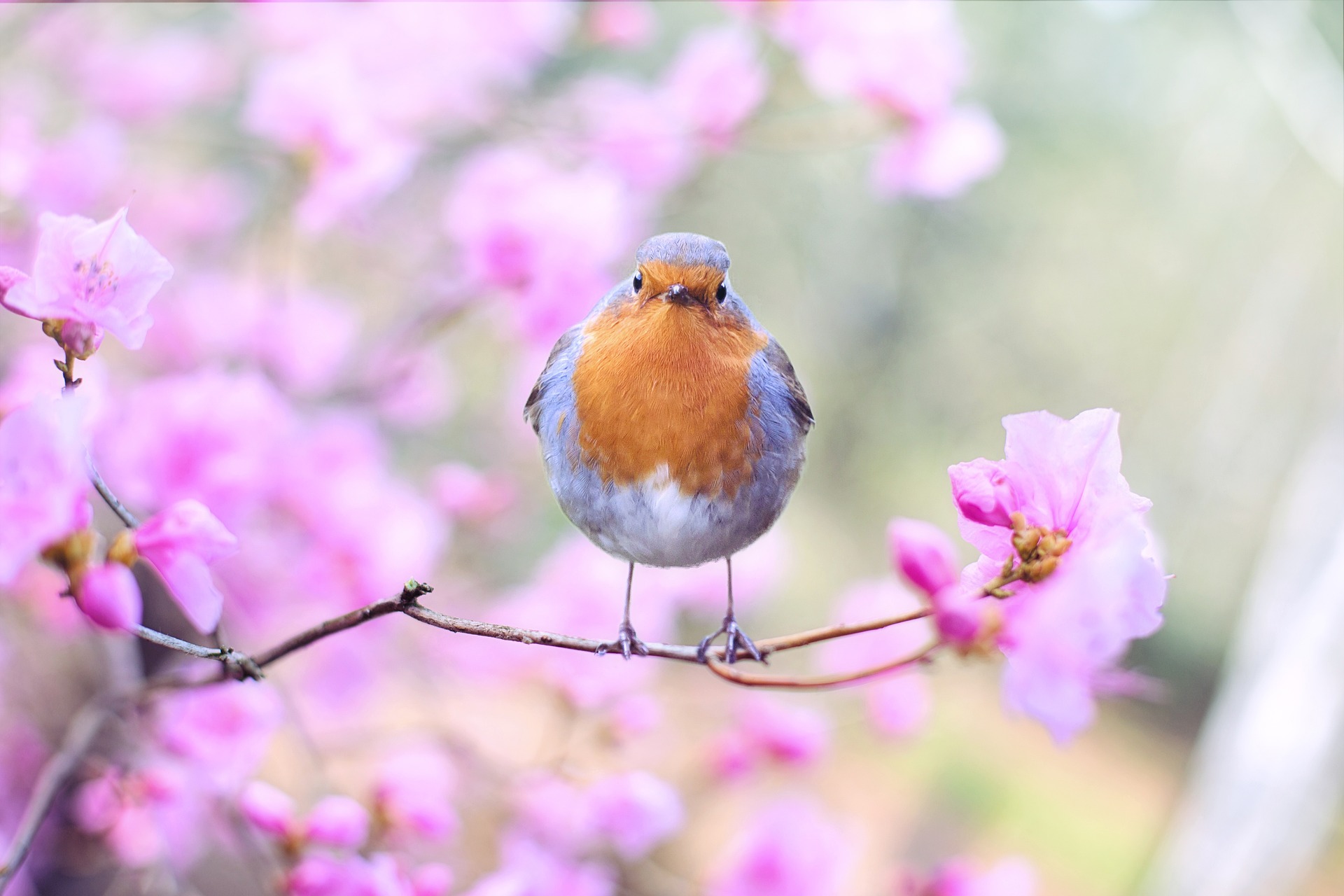
Birds, with their mesmerizing melodies, have always fascinated humans. Beyond their enchanting songs lies a world of intricate communication, social bonds, and unity. In this article, we will delve into the enchanting realm of avian music, exploring the harmony and unity within bird communities.
I. The Language of Feathers: Understanding Avian Communication
Birds communicate through songs, calls, and body language, forming a complex language unique to each species. Their melodic tunes serve various purposes, from attracting mates to warning of predators.
A. Melodic Variations: Unique Songs of Different Bird Species
Different bird species have distinct songs, reflecting their identity and purpose. From the cheerful chirps of robins to the haunting calls of owls, each song has a story to tell.
B. Mating Rituals: Serenades in the Sky
Birds use songs to court potential mates. These musical displays showcase not only their vocal prowess but also their health and genetic fitness, leading to the formation of strong, harmonious pairs.
II. Community Bonds: The Strength of Collective Singing
Birds often sing together in groups, creating symphonies that echo through forests and fields. These communal performances serve as a testament to their unity and social cohesion.
A. Dawn Choruses: Nature’s Morning Choir
At the break of dawn, many bird species join in a cacophony of songs, marking the beginning of a new day. This ritual not only establishes territories but also reinforces the bonds within the community.
B. Collaborative Learning: Songs Passed Through Generations
Young birds learn songs from older, experienced members of their community. This cultural transmission ensures the preservation of unique tunes, fostering a sense of unity and tradition.
III. The Science of Birdsong: Decoding the Meaning Behind the Melodies
Scientific research has unveiled the intricate patterns and meanings hidden within bird songs. Studying these melodies provides valuable insights into avian behavior and cognition.
A. Birdsong and Emotional Expression
Birds express various emotions through their songs, from joy and contentment to fear and aggression. Researchers analyze these emotional cues to gain a deeper understanding of avian psychology.
B. Cognitive Abilities: The Intelligence Behind the Song
Birds exhibit remarkable cognitive abilities related to their songs. Some species can mimic human speech, showcasing their intelligence and adaptability.
IV. Environmental Impact: Birdsongs as Indicators of Ecosystem Health
Birds play a vital role in ecosystems, and their songs serve as indicators of environmental health. Changes in avian melodies can signify shifts in habitats, climate, and biodiversity.
A. Bioacoustics: Monitoring Ecosystems Through Sound
Scientists use bioacoustic techniques to study bird songs and assess the health of ecosystems. By analyzing these sounds, researchers can track changes in biodiversity and habitat quality.
B. Conservation Efforts: Preserving Avian Harmony
Understanding the significance of bird songs in ecosystem monitoring highlights the importance of conservation efforts. Protecting bird habitats ensures the preservation of their songs and, by extension, the overall health of the environment.
Conclusion
In the intricate world of bird communities, songs serve as threads weaving together a tapestry of unity, communication, and harmony. As we listen to the melodies that fill the skies, let us appreciate the profound connections and social bonds that define avian life.
FAQs
1. Why do birds sing in the morning?
Birds sing in the morning to establish territories, attract mates, and communicate with other members of their community. The dawn chorus is a communal activity that reinforces social bonds within bird populations.
2. Can all bird species mimic human speech?
Not all bird species can mimic human speech. Parrots and certain songbirds, such as mockingbirds and starlings, are known for their ability to mimic sounds, including human speech.
3. How do scientists study bird songs?
Scientists use bioacoustic techniques, including recording and analyzing bird sounds, to study bird songs. This research helps in understanding avian behavior, communication patterns, and environmental health.
4. Why is it important to preserve bird habitats?
Preserving bird habitats is crucial because it ensures the conservation of diverse bird species and their songs. Additionally, healthy bird populations indicate a balanced ecosystem, making habitat preservation essential for overall environmental well-being.
5. How can individuals contribute to bird conservation efforts?
Individuals can contribute to bird conservation efforts by supporting local bird sanctuaries, avoiding the use of pesticides, and maintaining bird-friendly habitats in their gardens. By raising awareness and actively participating in conservation initiatives, everyone can play a role in preserving avian harmony.